
by DMEN | Sep 21, 2026 | barley-loose-smut, News
CCDM scientists have, for the first time, characterised a mutation associated with reduced sensitivity to succinate dehydrogenase inhibitor (SDHI; Group 7) fungicides in barley loose smut. Author: Charlotte Italiano, 21 September 2026, Source: CCDM Barley infected...

by DMEN | Sep 3, 2026 | canola-blackleg, canola-sclerotinia, News
Canola-on-canola plantings bring high risk of disease. Record plantings this season increase likelihood of future industry losses. In the longer term, the practice could reduce the life of canola cultivars and the fungicides developed to protect them. A leading...

by DMEN | Jun 22, 2026 | canola-blackleg, News, Paddock Practices
Consistent early rainfall has increased blackleg risk for canola. Protect yields through early disease identification and appropriate management tactics. Blackleg lesions on MR-rated cultivars sown at the Lake Bolac NVT site, Victoria, with no fungicide use. Photo:...

by DMEN | Apr 10, 2026 | News
Uncovering the motivations behind growers’ decisions on fungicide application and disease management will form a key part of a new Grains Research and Development Corporation (GRDC) investment.The five-year, $5.7 million Disease Management Extension Network (DMEN)...
by DMEN | Sep 7, 2021 | canola case study, Case study, Case Study Parent
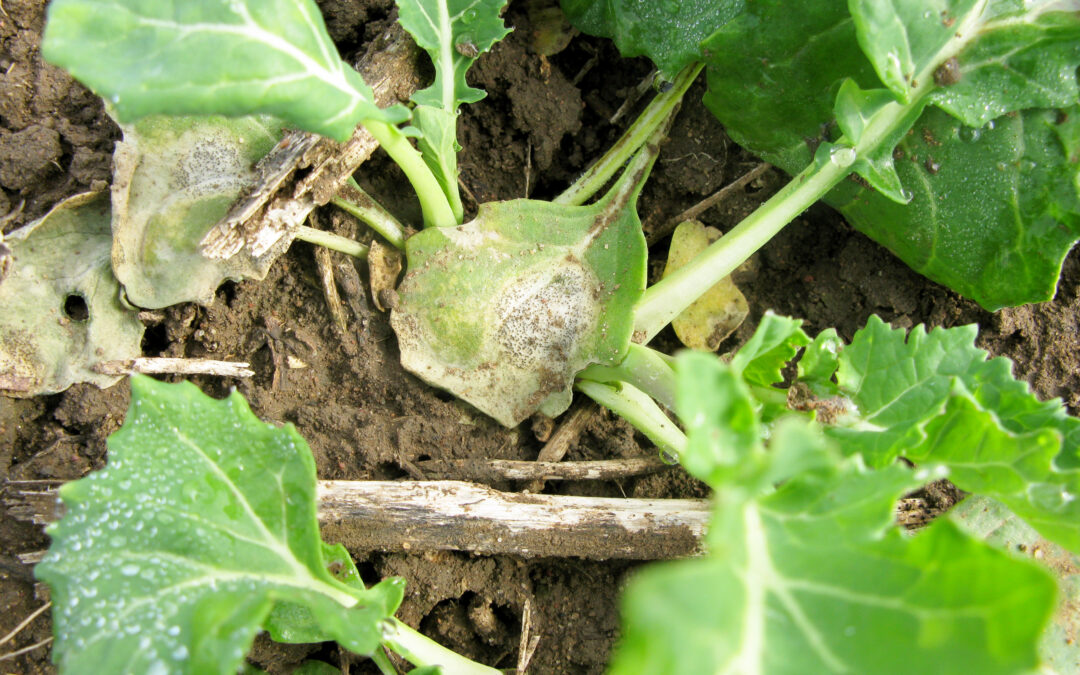
The Wimmera has many cereal and pulse options, which facilitates the use of good agronomic practices such as allowing three or four years between canola rotations and separating new crops from previous seasons’ stubble. These practices should help keep disease...
