
Resources
Manage
disease pressure
Minimise
fungicide use
Engage
with extension
DMEN brings together regional plant pathologists, fungicide resistance experts and communications specialists to develop and deliver resources for growers and advisers.
You can view and download our resources here.
Fungicide resistance management in Australian grain crops – guide
Fungicide resistance occurs when over-exposure causes a disease to lose sensitivity to its chemical control. The Fungicide resistance management in Australian grain crops guide explains what fungicide resistance is and how to extend the effective life of fungicides. It details the status, causes, risk factors and management of fungicide resistances in Australia.
Key points
- Fungicide resistance occurs when a previously effective fungicide fails to control a disease due to repeated use of the same active ingredient or group.
- To avoid resistance, growers should use integrated disease management (IDM) strategies, such as crop rotation, use of less susceptible varieties and strategic fungicide application.
- Different fungicide groups have different risk levels for resistance development. Rotating and mixing fungicide groups is essential.
- Non-chemical methods such as stubble management, green bridge elimination, clean seed use, and choosing the right sowing times help reduce disease pressure and limit the need for fungicide applications.
- Regular crop checks and laboratory testing help find resistance early. Growers should keep records of fungicide use and seek advice from regional pathologists or the Fungicide Resistance Group.
Contents of the guide
The guide covers a range of topics related to fungicide resistance and its management including;
- Introduction to fungicide resistance
- Fungicide resistance risk factors
- Fungicide resistance in pathogens of Australian grain crops
- General fungicide resistance management guidelines
- Fungicide resistance management guidelines for barley, wheat, canola and pulses
- Fungicide resistance in the laboratory
- Recommended fungicide rotations
DOWNLOAD THE GUIDE
(6MB PDF)
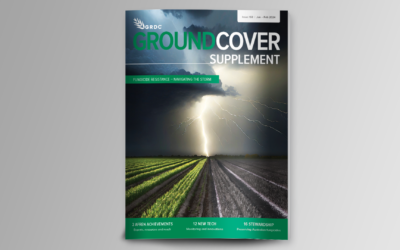
Ground Cover Supplement, January-February 2024
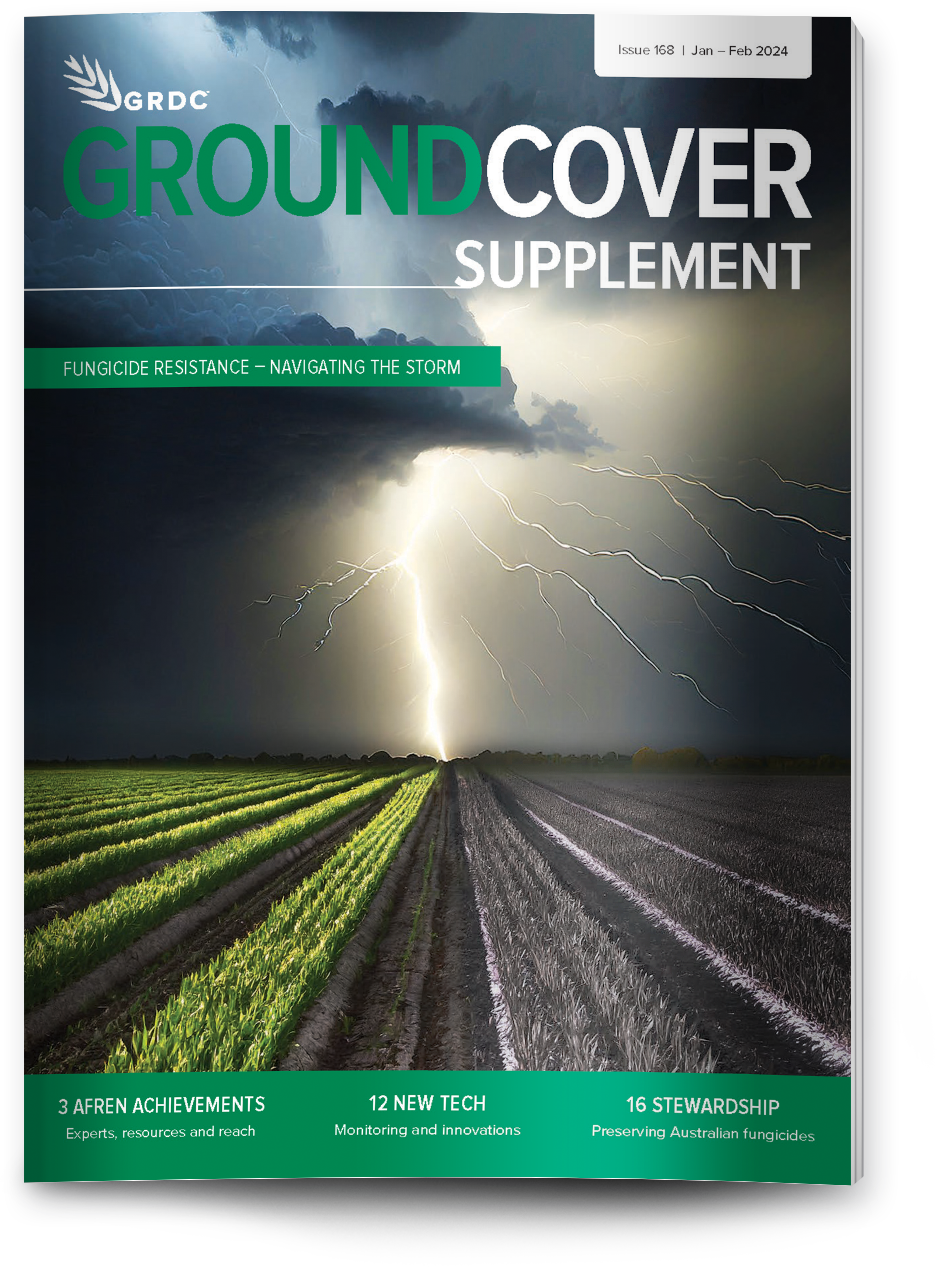
GRDC has invested in the Australian Fungicide Resistance Extension Network (AFREN) since 2019, led by Associate Professor Fran Lopez-Ruiz of Curtin University. This Groundcover Supplement showcases the achievements of AFREN thus far and shines a spotlight on new fungicide-related research underway at Curtin University’s Centre for Crop Disease Management (CCDM).
Click to download the supplement as a PDF, or read some of the articles below:

Research fast-tracked to arrest rising blackleg resistance
Research has indicated that fungicide application at 4 to 6-leaf stage in canola crops could be driving fungicide resistance in blackleg disease.

Tomorrow’s fungicides: gene switches and nanobots
New tools and techniques are being added to the fungicide resistance management arsenal.
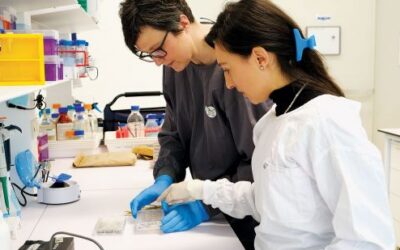
‘Next-gen’ monitoring improving fungicide resistance detection
Like human diseases such as cancer, early detection and monitoring is crucial to keeping crops a step ahead of fungicide resistance.
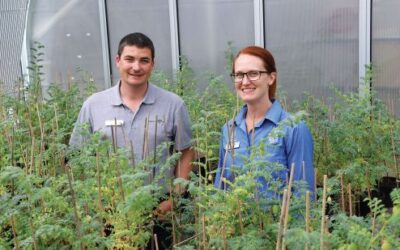
Knowledge is power when managing fungicide resistance in pulses
Australian pulse production is threatened by the risk of fungicide resistance. Most crop species are susceptible to one or more fungal diseases and although breeding has developed some resistant varieties, there are still susceptible varieties grown which require more-frequent fungicide applications.
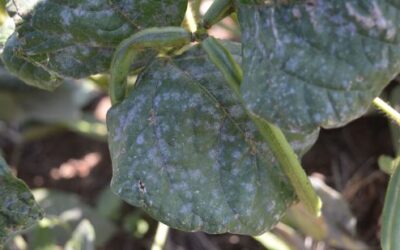
Fungicide resistance in Queensland: be alert
When the first map of fungicide resistance cases in Australia was compiled in 2016 by the research team at Curtin University’s Centre for Crop and Disease Management (CCDM), led by Associate Professor Fran Lopez-Ruiz, Queensland remained a blank region on that map.

Fungicides available for Australian grain crops and their modes of action
Fungicides play a critical role in safeguarding Australian grain crops, ensuring healthy yields and maintaining food security. As one of the world’s leading exporters of grains such as wheat and barley, Australia relies on effective fungicide strategies to combat fungal diseases that can devastate crops.
Fungicide resistance – a mounting problem in Australia
Up-to-date fungicide resistance knowledge is key to managing the increasing number of crop diseases developing this resistance.

Preserving our fungicides
Fungicides belong to a range of essential crop protectant tools that also include insecticides and herbicides. Fungicides can be classified as contact or systemic. Contact fungicides remain on the plant’s surface and are also referred to as protectant or preventative...
Fungicide Resistance – Navigating the storm, January-February 2024
AFREN’s mandate is to help growers and advisers stay informed about the prevalence and management of fungicide resistance in their region.
Blog Posts
Podcasts
A total of 12 podcasts are available in three series of podcasts.
All podcasts are available on the AFREN website or on most podcast streaming services.
Fact sheets
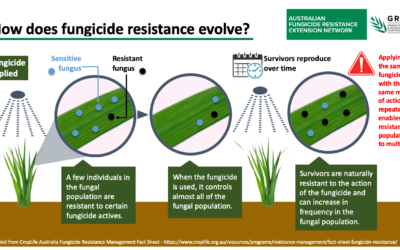
Two general fact sheets – on Fungicides in Australia and How Fungicide Resistance Develops – have also been produced.
Webinars
Videos
Three videos have been produced to help growers understand how fungicide resistance develops and how you can prevent it from becoming an issue in your cropping programs. The videos are available online.
Case studies
AFREN case study – blackleg Wimmera
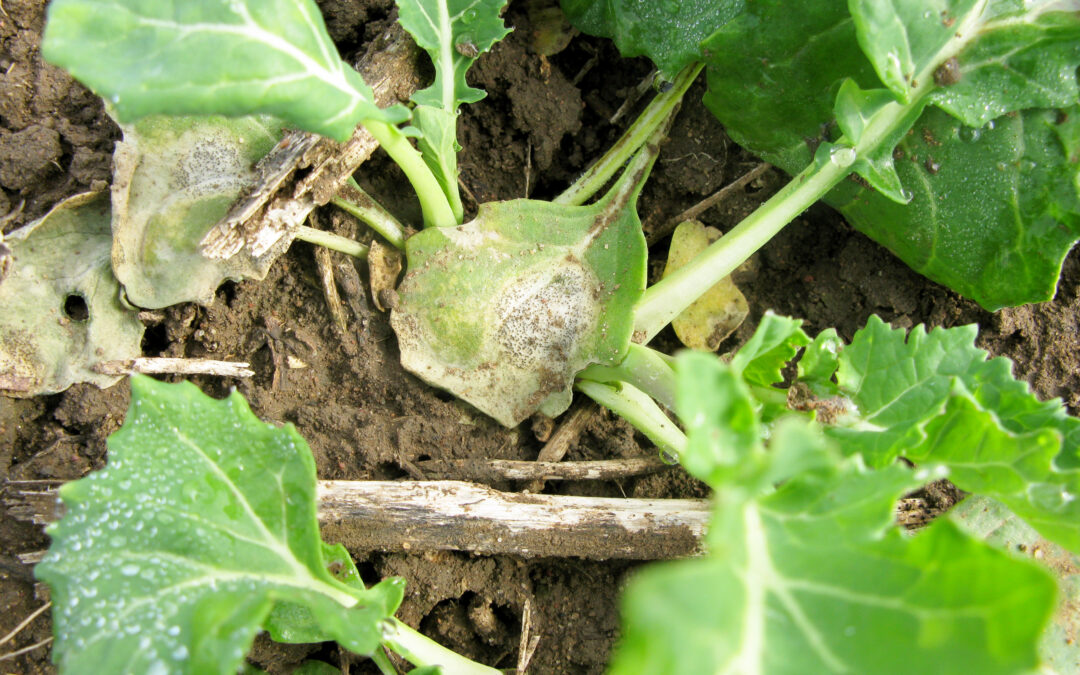
The Wimmera has many cereal and pulse options, which facilitates the use of good agronomic practices such as allowing three or four years between canola rotations and separating new crops from previous seasons’ stubble. These practices should help keep disease pressure at moderate levels. However, blackleg can still be an issue in above-average rainfall years and for individual crops.
AFREN case study – blackleg lower EP
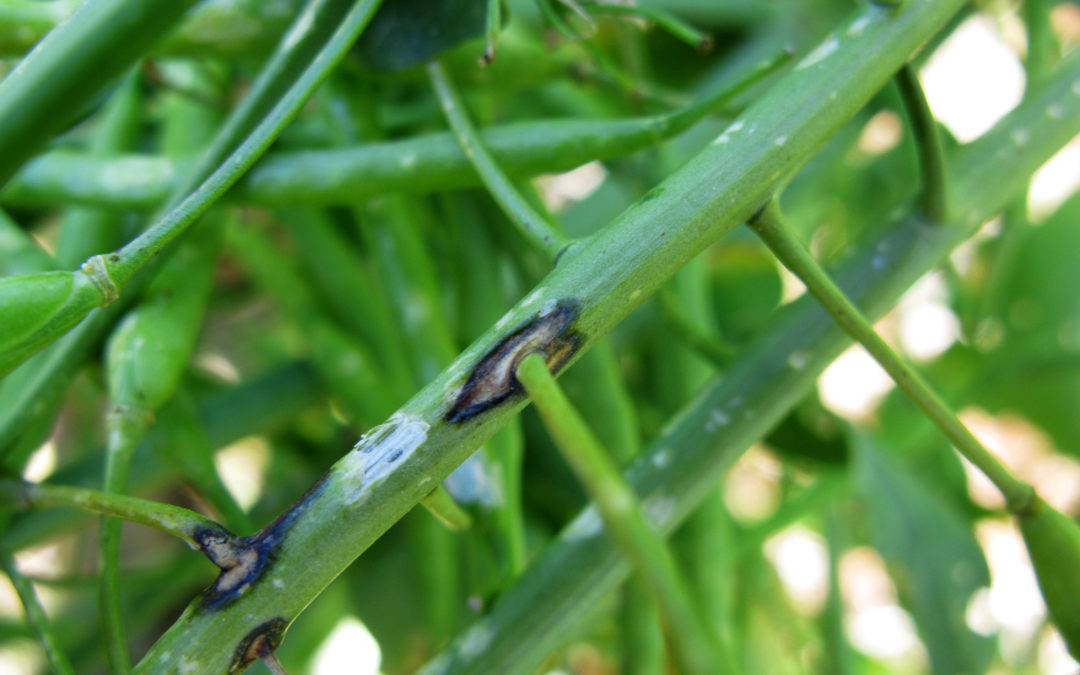
While Lower Eyre Peninsula canola growers have gained new fungicides for the control of blackleg, simply replacing DMIs with repeated or high frequency use of SDHIs could encourage new resistant strains of the pathogen.
Local growers and agronomists will be able to protect the long-term effectiveness of their new fungicides by strategically using these fungicides when they are most likely to result in an economic yield gain.
AFREN case study – net form net blotch
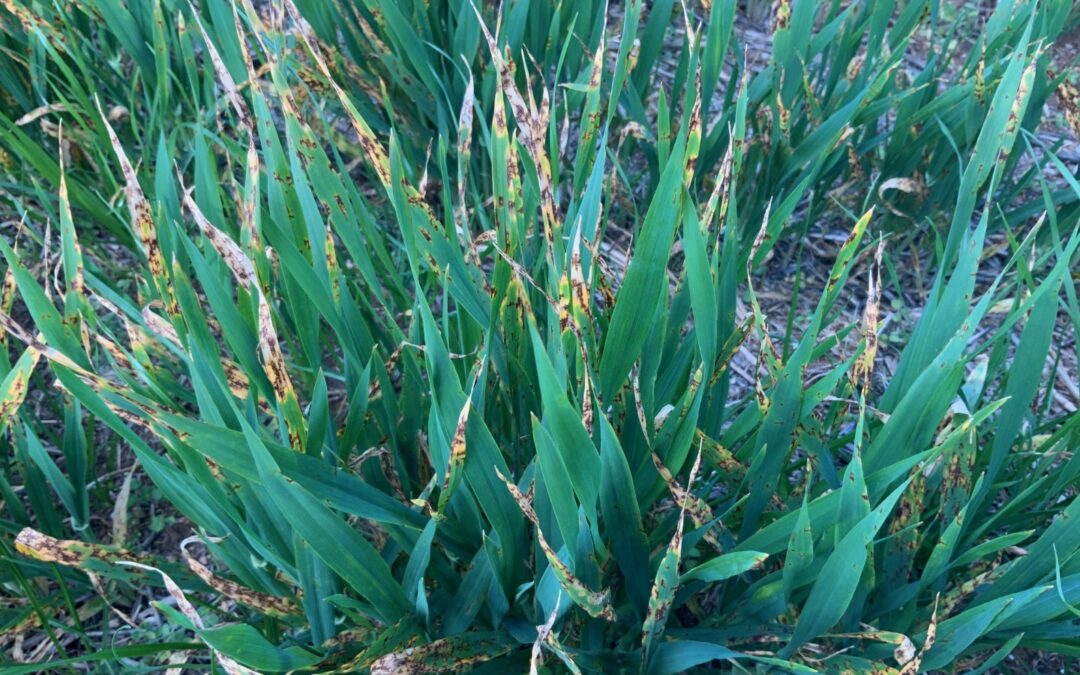
Barley growers on South Australia’s Yorke Peninsula have seen how quickly fungicide resistance can turn from a potential problem to serious threat in the absence of good management practices.
Sam Holmes is an experienced agronomist in the region, where barley has proven to be a reliable and economically successful crop over many years.
AFREN case study – septoria tritici blotch
Tasmanian wheat growers enjoy a cool climate, relatively high rainfall and long growing season.
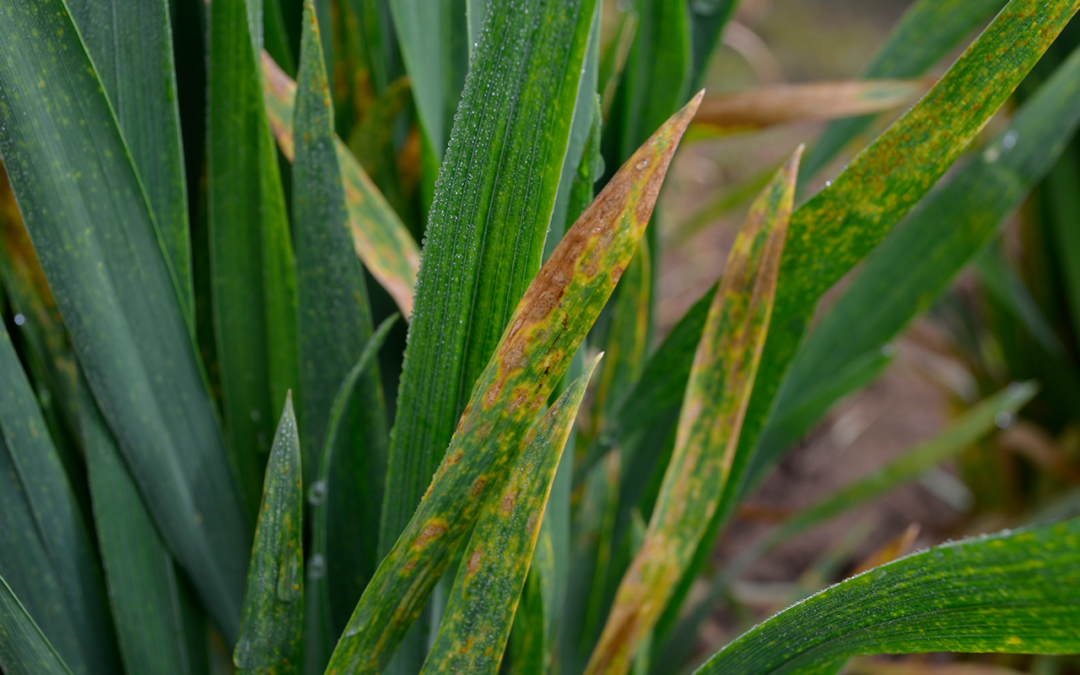
However, those cool, moist growing conditions lead to considerable disease pressure from Septoria tritici blotch (STB).
Recommended web resources
GRDC
GRDC Groundcover Supplement: Resistance in Weeds, Pests and Diseases
Issue 139: March – April 2019.
An overview of chemical resistance in weeds, pests and diseases. Largely in laymen’s terms, without compromising on depth or quality.
articles
online fact sheets
Principles of fungicide resistance
Paul Vincelli, Uni of Kentucky.
YouTube videos
Fungicide resistance
Bayer Canada.
Fungicide resistance management
Fungicide Resistance Action Committee (FRAC).
Events
DISEASE MANAGEMENT WEBINARS
DMEN hosts webinars at various times. Please check back regularly for updates, or view recordings of previous webinars.
9
OCT
Choosing canola varieties: practical insights for 2027
Friday 9 October 2026
What can your 2026 canola crop tell you about variety choices for next season? Dr Angela Van de Wouw, Marcroft Grains Pathology, and Dr Kurt Lindbeck, NSW DPIRD, explored what to look for now and how to balance disease resistance, yield, maturity and other agronomic traits when choosing canola varieties for 2027.
16
OCT
Crop rotations and root disease risk: practical insights for 2027
Friday 16 October 2026
What could your 2027 rotation mean for root disease risk? Brad Baxter and Dr Steven Simpfendorfer, NSW DPIRD, Dr Kirsty Owen, UniSQ, and Dr Lisa Kelly, Queensland DPI, explored lessons from 2026 and how rotation, paddock history, variety choice and testing can help identify and manage root disease risk ahead of next season.
23
OCT
Net blotch resistance & management: practical insights for 2027
Friday 23 October 2026
1:30pm SA | 2pm NSW & VIC |
1pm Qld | 11am WA
What did 2026 tell us about net blotch, and what does it mean for next season? Join Dr Lisle Snyman, Queensland DPI, Dr Tara Garrard, SARDI, and Dr Nola D’Souza, CCDM, for the latest on fungicide resistance and NFNB research, and how variety choice, fungicide use, stubble and rotation can help manage net blotch risk in 2027.
More
info?
Contact us for an event
If you’re interested in having one of our team present an information session on fungicide resistance to your grower or advisory group, please get in touch.
We have regional pathologists in all states, and can deliver in person or online.